Maintaining proper nutrition becomes increasingly important as we age. Seniors require nutrient-rich foods, adequate hydration, and balanced meal planning to support energy, immunity, bone health, and cognitive function. Here are ten detailed tips designed to guide seniors toward a healthier diet and lifestyle, each with actionable advice and examples.
1. Prioritize Protein Intake
Protein is vital for seniors to maintain muscle mass, bone health, and overall strength. As we age, our bodies become less efficient at utilizing protein, making it important to consume sufficient amounts daily. Include lean meats, poultry, fish, eggs, dairy, legumes, and tofu in meals. Spread protein intake across all meals rather than concentrating it in one. For instance, enjoy Greek yogurt or cottage cheese with breakfast, a turkey or lentil salad at lunch, and grilled fish or chicken for dinner. Adequate protein intake helps reduce the risk of sarcopenia (muscle loss) and improves recovery from illness or injury. Seniors who struggle with appetite can try smaller, protein-rich snacks between meals, like cheese cubes, nuts, or boiled eggs.
2. Incorporate Colorful Vegetables

Vegetables provide essential vitamins, minerals, antioxidants, and fiber critical for seniors. Aim to include a variety of colors to maximize nutrient diversity. Dark leafy greens like spinach and kale offer calcium and vitamin K for bone health. Red and orange vegetables like peppers and carrots provide beta-carotene for eye health. Cruciferous vegetables like broccoli and cauliflower support detoxification and overall immunity. Include vegetables in every meal, whether raw, steamed, roasted, or blended into soups. Fiber helps prevent constipation and supports gut health. Try to fill half of your plate with vegetables for optimal nutrition.
3. Focus on Whole Grains
Whole grains provide fiber, vitamins, and minerals while helping maintain energy levels and support digestion. Brown rice, quinoa, oats, whole-grain bread, and barley are excellent choices. Fiber from whole grains regulates blood sugar and cholesterol, reducing the risk of heart disease and type 2 diabetes. Seniors can enjoy oatmeal with fruit and nuts for breakfast, whole-grain sandwiches for lunch, and quinoa salads for dinner. Avoid highly refined grains like white bread or pastries, which offer limited nutrients and can spike blood sugar.
4. Include Healthy Fats
Fats are essential for brain health, hormone production, and absorption of fat-soluble vitamins. Prioritize unsaturated fats from sources like olive oil, avocado, nuts, seeds, and fatty fish such as salmon or sardines. Limit saturated fats and avoid trans fats. A handful of almonds or walnuts as a snack, drizzling olive oil on salads, and including fatty fish a few times per week can help seniors maintain heart and brain health. Healthy fats also improve satiety, preventing overeating and supporting weight management.
5. Stay Hydrated
Water is critical for seniors to prevent dehydration, which can cause fatigue, confusion, and constipation. Older adults often have a reduced sense of thirst, so proactive hydration is essential. Aim for at least 6–8 cups of fluids daily, including water, herbal teas, and broths. Limit sugary drinks and excessive caffeine. Infuse water with lemon, cucumber, or berries for added flavor. Including high-water-content foods like cucumbers, tomatoes, oranges, and melons also helps maintain hydration. Spread intake throughout the day rather than drinking large amounts at once.
6. Limit Added Sugars and Salt
Excessive sugar increases the risk of diabetes, obesity, and dental problems, while high sodium can elevate blood pressure. Seniors should monitor intake of processed foods, sugary drinks, candies, and packaged snacks. Use herbs, spices, lemon, vinegar, or garlic to enhance flavor without added salt. Natural sweeteners like fruits can replace sugar in desserts. Reading nutrition labels helps identify hidden sugars and sodium. Moderation is key, and gradually reducing reliance on processed foods can significantly improve overall health.
7. Support Bone Health
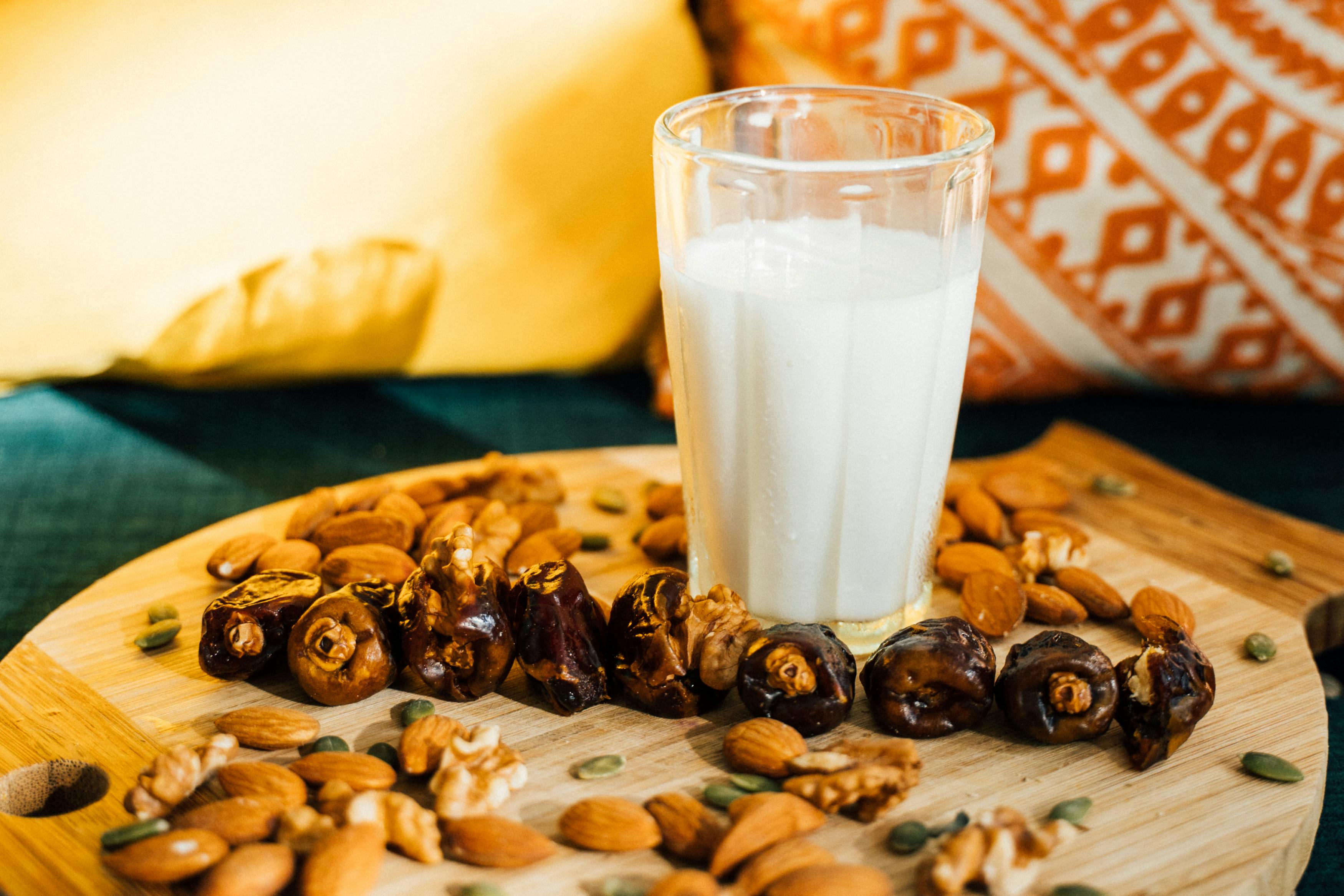
Maintaining strong bones is crucial to prevent fractures and osteoporosis. Seniors should consume adequate calcium, vitamin D, and magnesium. Dairy products like milk, yogurt, and cheese provide calcium, while leafy greens, almonds, and fortified plant-based milks offer alternatives. Vitamin D is necessary for calcium absorption; sunlight exposure and fortified foods help meet requirements. Weight-bearing exercises complement nutrition to strengthen bones. Consider speaking with a healthcare provider about supplementation if dietary intake is insufficient.
8. Include Probiotics and Prebiotics
Gut health impacts digestion, immunity, and nutrient absorption. Probiotics are live beneficial bacteria found in yogurt, kefir, sauerkraut, and kimchi. Prebiotics are fibers that feed these bacteria, present in onions, garlic, bananas, and whole grains. Including both in the diet improves gut microbiota balance, reducing constipation and promoting overall health. Seniors can enjoy a yogurt parfait with fruits and oats to combine probiotics and prebiotics in a tasty snack or breakfast.
9. Plan Balanced Meals
Balanced meals include a combination of protein, healthy fats, complex carbohydrates, and vegetables. Planning ensures nutrient adequacy, prevents overeating, and helps manage weight. Seniors can use a plate method: half the plate vegetables, a quarter protein, a quarter whole grains, plus a small portion of healthy fats. Meal prepping or cooking in batches reduces stress and ensures consistent nutrition. Variety is important to prevent monotony and to cover all essential vitamins and minerals.
10. Monitor Portion Sizes and Caloric Intake
Metabolism naturally slows with age, so seniors need fewer calories but require nutrient-dense foods. Monitor portion sizes to avoid overeating while meeting nutritional needs. Using smaller plates, measuring servings, and being mindful during meals can prevent excessive intake. Include snacks strategically to maintain energy. Maintaining a healthy weight reduces strain on joints, improves cardiovascular health, and supports overall well-being. Consulting a dietitian for personalized guidance can ensure seniors meet their specific nutritional requirements.
Medical disclaimer: This content is for general information only and is not medical advice. Consult your doctor or registered dietitian for advice tailored to your situation.